Masoala & the Northeast
Masoala's vast rainforest, Nosy Mangabe's island wildlife, Farankaraina's aye-ayes and Marojejy's soaring peaks — a paradise of rare species, marine reserves and remote forests.
Masoala — Largest Rainforest & Marine Paradise
Madagascar's largest protected area (240,520 ha) and a UNESCO World Heritage Site, Masoala runs from sea to 1,311 m, harbouring 2% of global biodiversity — aye-aye, red-ruffed lemur, 130+ butterflies. It also protects 10,000 ha of coral reefs and seagrass in Antongil Bay, with dolphins, turtles and humpback whales (Jul–Sep).
Nosy Mangabe — Island of Aye-Ayes & Whales
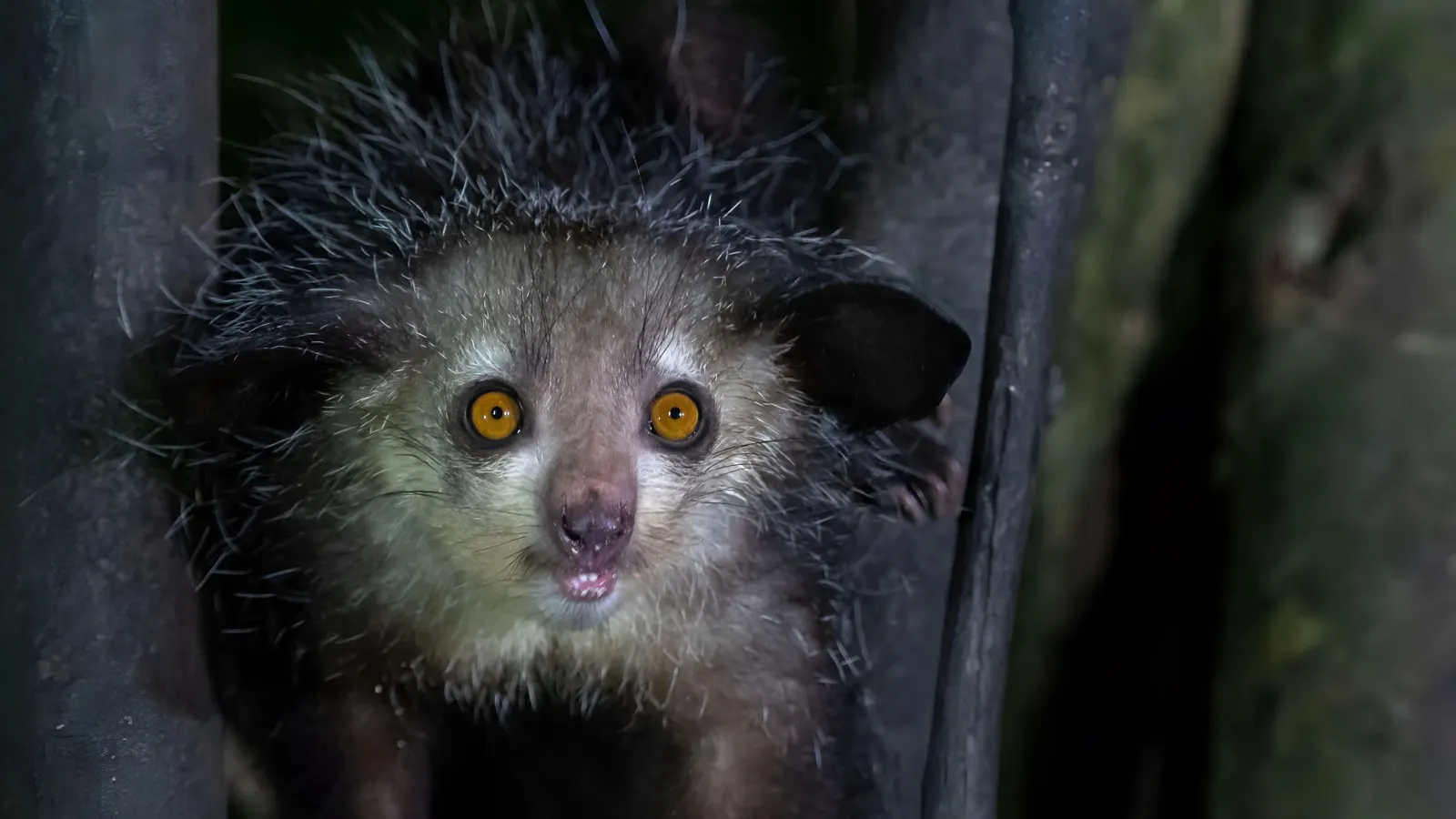
Just 5 km from Maroantsetra, this forest-clad island is renowned for aye-ayes and 16th-century Dutch sailor carvings. Antongil Bay, the 'Cradle of Whales,' welcomes humpbacks from June to September. Trails lead to waterfalls, ancient graves and viewpoints over golden beaches.
Farankaraina — Best Place to See the Aye-Aye
Reached by boat and a short trek from Maroantsetra, Farankaraina is one of the finest places to see the elusive aye-aye in the wild, alongside bamboo lemurs, giant leaf-tailed geckos, streaked tenrecs and couas — a prime site for trekking and photography.
Marojejy — Towering Rainforest Peaks
A UNESCO World Heritage Site of steep cliffs, waterfalls and dense rainforest, Marojejy (55,500 ha) shelters 11 lemur species including the critically endangered silky sifaka. Treks range from day hikes to multi-day expeditions; best visited April–May and September–December.
Daraina–Loky Manambato — Golden-Crowned Sifaka
One of Madagascar's most sensitive zones, home to the golden-crowned sifaka, Sanford's brown lemur and aye-aye, plus around 130 birds and 75 reptiles. With little infrastructure, camping at the forest edge offers a true wilderness experience.
Anjanaharibe-Sud — Remote Mountain Rainforest
Pristine rainforest from 500 m to 2,064 m, famous for the black indri, the silky sifaka and the 'living fossil' tree Takhtajania perrieri, 120 million years old. Its name means 'Place of the Great God' — rugged treks and camping at Camp Indri immerse you in unique wildlife.
Tours across this region
See tours in this region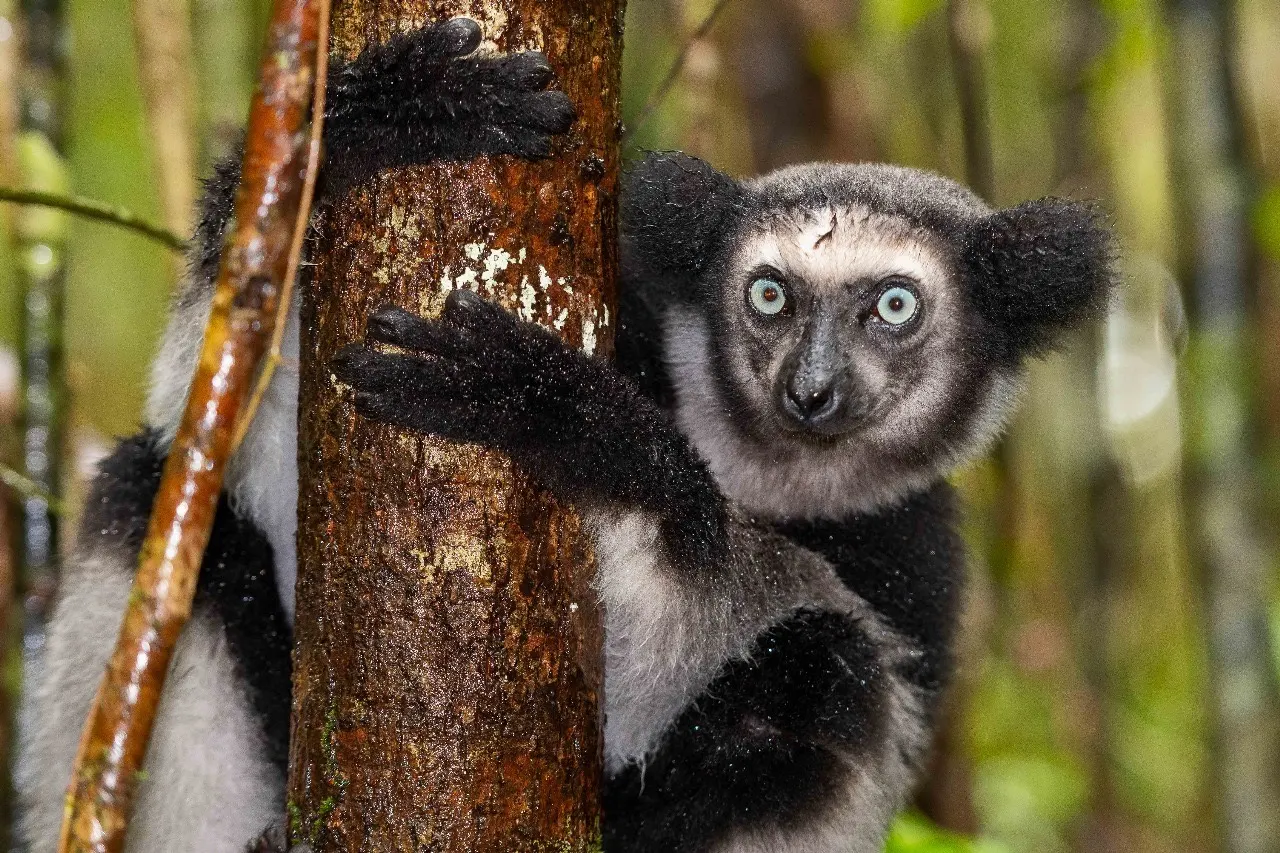 WildlifeAndasibe2 days
Andasibe Rainforest — Lemurs & Culture
Highlights: Home of Madagascar's reptiles
 AdventureMorondava · Bemaraha · Andasibe9 days
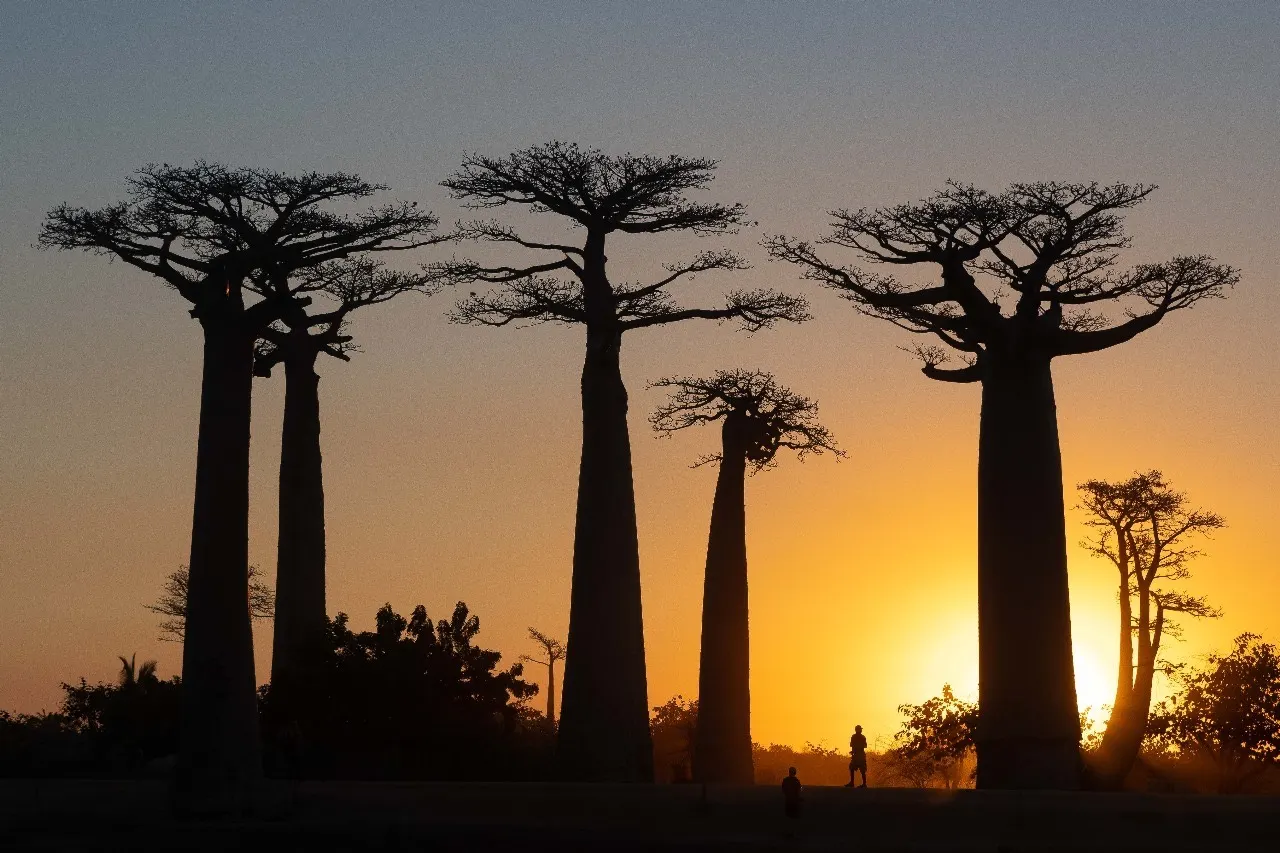
Baobabs, Tsingy & Rainforest
Highlights: Encounter the elusive fossa
 WildlifeIfaty · Ranomafana · Ankarafantsika · Andasibe24 days
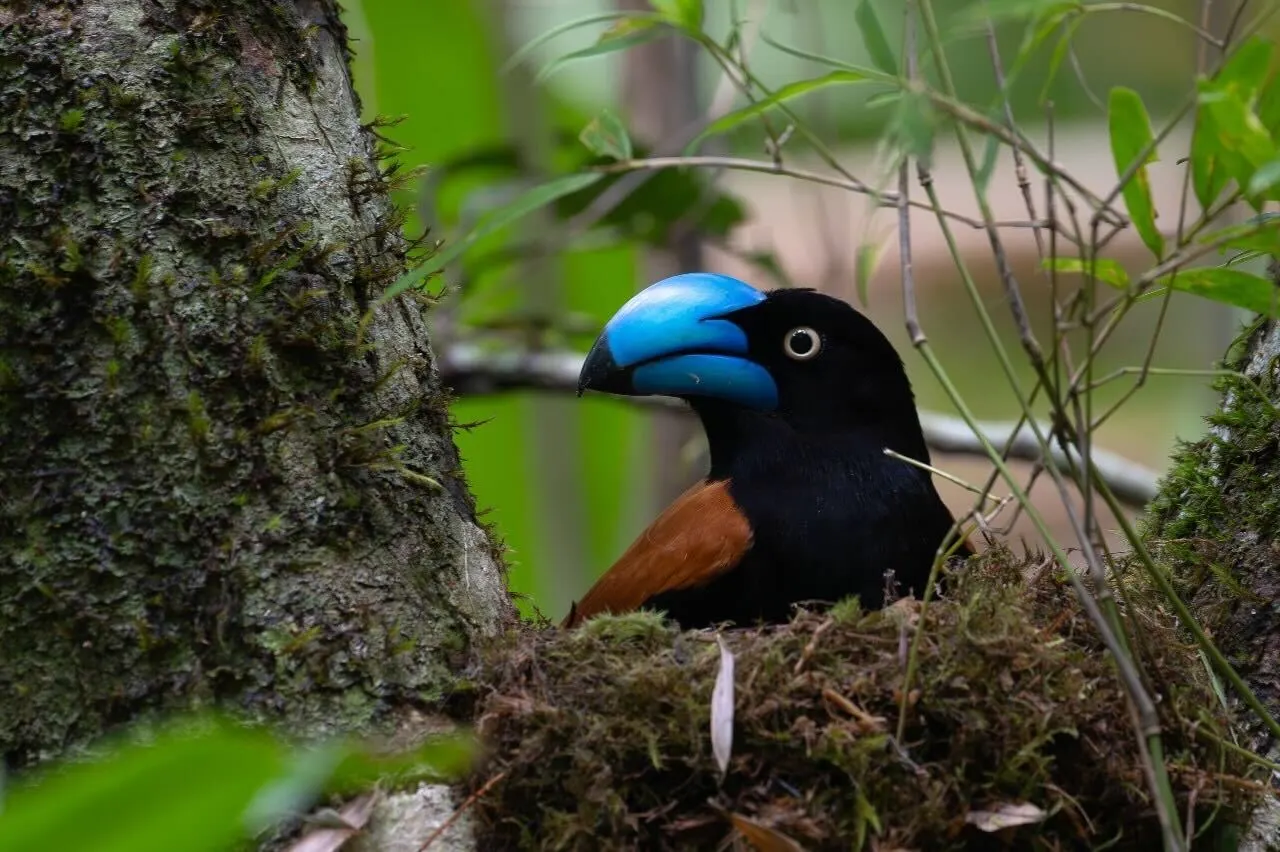
Immersive Birding & Photography Journey
Highlights: Andasibe & Ranomafana birds